
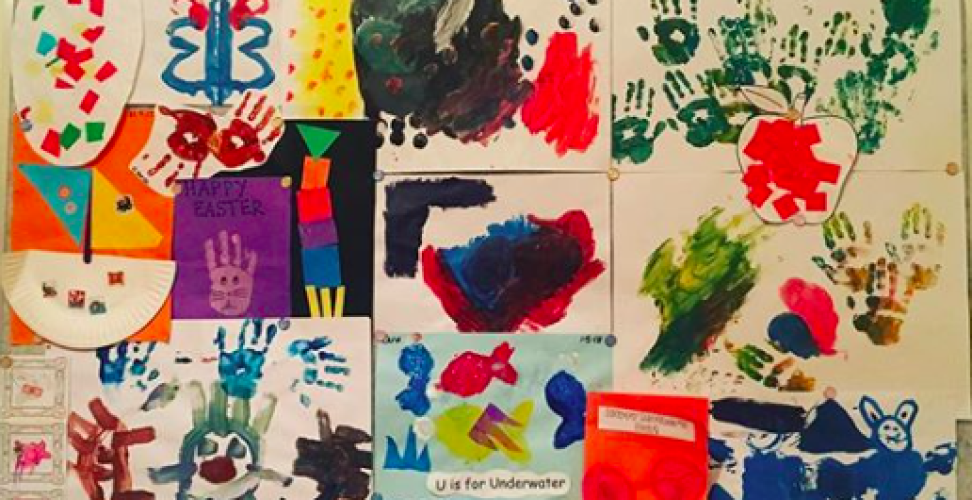
“Before a child talks, they sing. Before they write, they draw. As soon as they stand, they dance. Art is fundamental to human expression.”
Phylicia Rashad
This has to be one of the best quotes I’ve read about art and its importance to our life. Being creative is not merely about the ability to draw or perform. It’s about expression. And the ability to express ourselves is a vital part of our identity. In fact, it’s right at the top of Maslow’s Hierarchy of Needs.
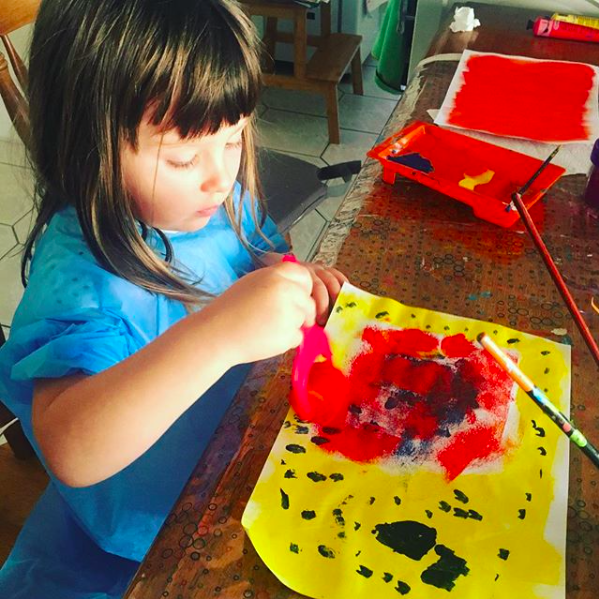
Children are naturally creative. My four-year-old daughter draws, paints, sings or dances nearly every opportunity she gets. And while she does look for praise of her final product, she gets more enjoyment from the process than the output. More often than not, the output gets forgotten as she moves on to creating something else.
As adults we forget the joy of creative expression. I believe we focus on the end game and whether the final product meets the high standards we set ourselves, while also comparing ourselves to others.
We let a fear of failure or judgement stop us. Whether that’s based on something that happened during childhood or experiences as an adult, this fear acts as a blockage.
For me, I have clear memories of being told I wasn’t very good at art at school. I also had my Year 3 teacher tell me that my singing voice sounded like nails being dragged down a chalk board. Admittedly, it’s not something a teacher should say to an eight-year-old but I shouldn’t have let other people’s judgements or comments stop me.
Yet I did.
Over the years I’ve chosen to express myself through words but for too long I’ve avoided other forms of art. I tell myself I can’t draw, or I don’t know how to perform. I love seeing new plays or watching artists paint, but as an observer rather than as a participant. Yet taking part matters.
The BBC recently commissioned research into the benefits of creativity, “BBC Arts Great British Creativity Test”. The found that being creative can help avoid stress and improve self-development, which helps build self esteem. But the biggest benefit comes from taking part in live creative activities that involves face-to-face interaction. (Source: BBC)
So I’m moving from observer to participant and making more effort to inject creativity into my life.
Just the other day I decided to recreate a version of a Fresco workshop after watching a clip from the multi-talented and hugely educational Alan Pascuzzi. In the snippet below, you can see Alan describing how pouncing was used by Michelangelo to transfer an image of a drawing to plaster.
Inspired by Alan, we took some baking paper and pricked holes in it to make a shape of a heart. We then used watercolours to paint over the shape, with the watercolour transferring onto the paper underneath. It might not have been a traditional Fresco but my daughter was transfixed and we had so much fun together.
We really can learn a lot from children about life. If we let go of our insecurities and participate more freely in creative expression, our mood, happiness and overall wellbeing will be boosted. Participating in the arts could have a profound impact, like helping you to find your voice, or might just make you feel good. Either of these is good in my humble opinion!
And that’s just one of the many reasons why we’re encouraging more people to make art a part of their everyday because life should be lived in full colour.
